If your kitchen sink smells like rotten eggs, sulfur, or sewage, do not assume the drain is the only possible source. The odor can come from food and grease buildup, a dirty garbage disposal, a dry P-trap, sewer gas, or even the water itself.
The quickest way to find the cause is to separate a drain odor from a water odor. In this guide, I will show you how to test the source, clean the common problem areas, and know when a plumbing or water-quality issue needs professional attention.
Quick Answer: Why Does My Kitchen Sink Smell Like Rotten Eggs?
A rotten-egg smell around a kitchen sink is often linked to hydrogen sulfide, which can form when bacteria break down organic material in drains or plumbing. Common causes include trapped food and grease, biofilm, a dirty garbage disposal, a dry P-trap, or sewer-gas problems.
If the water itself smells when you pour it into a clean glass away from the sink, the source may instead be the water supply or water heater. Cleaning the drain will not fix an odor that is coming from the water.
First: Find Where the Rotten-Egg Smell Comes From
Before pouring anything into the drain, spend a minute identifying the source. This simple test can save you from treating the wrong problem.
- Smell the drain: If the odor is strongest directly over the drain, the drain, disposal, P-trap, or plumbing is a likely source.
- Do the glass test: Fill a clean glass with cold water and walk away from the sink. Smell the water in another area.
- Compare hot and cold water: If only hot water smells, the water heater may be involved.
- Check another faucet: If several fixtures have the same odor, the issue may involve the water supply rather than one sink.
- Notice when the smell appears: An odor that starts when water runs can point to drain buildup, while a constant sewer-like odor deserves closer plumbing inspection.
What Causes a Kitchen Sink to Smell Like Rotten Eggs?
1. Food and Grease Buildup
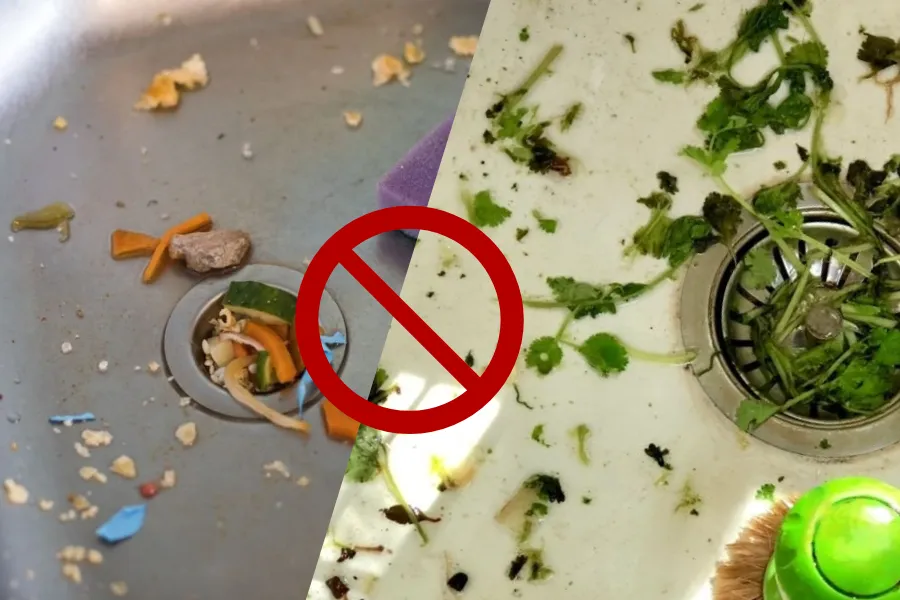
Small food particles, cooking oils, and grease can stick to the inside of the drain. As organic residue sits in a damp, low-oxygen environment, bacteria can break it down and create unpleasant sulfur-like odors.
A sink can still drain normally even when this buildup is present, so a rotten smell does not always mean you have a complete clog.
2. Biofilm Inside the Drain
A slimy layer of bacteria, grease, food residue, and other organic material can develop inside drain pipes. This buildup, often called biofilm, can hold odors and become noticeable when water disturbs it.
3. A Dirty Garbage Disposal
If your sink has a garbage disposal, check it early. Food particles can collect in the grinding chamber and under the rubber splash guard, where they can create a strong odor over time.
For disposal-specific cleaning, follow your manufacturer’s instructions. InSinkErator notes that odor is commonly associated with food buildup and recommends cleaning the underside of the sink baffle. See InSinkErator’s disposal-cleaning guidance.
4. A Dry or Dirty P-Trap
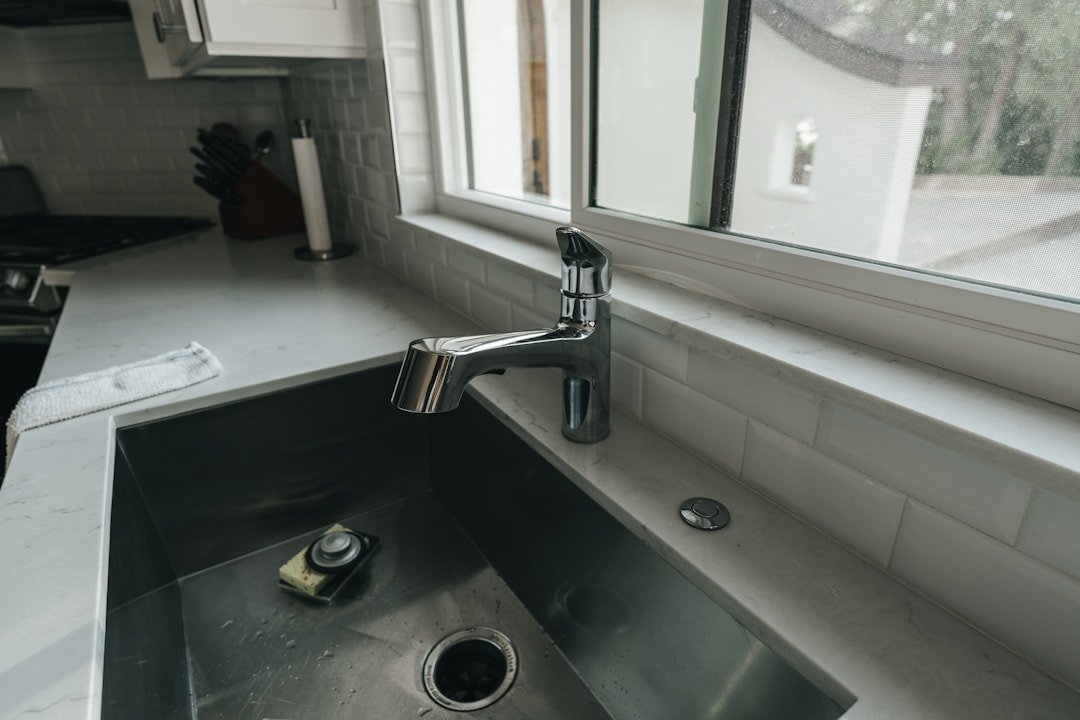
The P-trap is the curved section of pipe under the sink. It normally holds water that creates a barrier against sewer gases. If the trap dries out because the sink has not been used for a long time, odors can enter through the drain.
A P-trap can also collect sludge and organic residue. If you clean the drain opening but the smell remains, the trap may need inspection or cleaning.
5. Sewer Gas From a Plumbing Problem
A persistent sewer-like odor can indicate that sewer gases are getting past a drain trap or through a plumbing defect. A dry trap is one possibility, but a damaged connection, poor venting, or another plumbing problem can also allow odors into the home.
The U.S. Environmental Protection Agency explains that dry drain traps can allow sewer gases to enter buildings. Persistent sewer-gas odors should be investigated rather than repeatedly covered with air fresheners or drain cleaners. See the EPA guidance on drain traps and sewer gases.
6. A Blocked or Poorly Functioning Plumbing Vent
Plumbing vents help regulate pressure in the drainage system and route sewer gases outside. A blocked or improperly functioning vent can contribute to gurgling, slow drainage, trap problems, or recurring odors.
Do not climb onto a roof to clear a vent unless you are properly equipped and experienced. If you suspect a vent problem, a qualified plumber can inspect the system safely.
7. Dishwasher or Appliance Drain Connections
If the smell appears when your dishwasher runs or shortly afterward, inspect the dishwasher filter and waste connection. Food residue can collect in the appliance or waste hose and contribute to odors around the sink.
8. Sulfur Compounds in the Water
If the water in the glass test smells like rotten eggs, the sink drain may not be the source. Sulfur compounds or hydrogen sulfide can occur in some water supplies, including some private wells. If multiple faucets have the same odor, consider water testing rather than repeatedly cleaning the kitchen drain.
9. A Water Heater Problem
If the rotten-egg odor occurs only with hot water, the water heater deserves attention. Hydrogen sulfide odor can develop from reactions involving water chemistry and the heater’s anode rod. The U.S. Department of Energy has documented rotten-egg odor complaints associated with hydrogen sulfide in water and water-heater anode conditions.
Do not remove or permanently modify a water-heater anode rod yourself. Follow the manufacturer’s service instructions or ask a qualified plumber or water-treatment professional to diagnose the problem.
How to Get Rid of a Rotten-Egg Smell in Your Kitchen Sink
Once you know the odor is coming from the drain, work from the simplest solution to the more involved checks. You usually do not need to try every method.
Step 1: Remove Visible Food and Residue
Remove food scraps from the sink strainer and wipe residue around the drain opening. Pay attention to the underside of the strainer, where wet food particles can collect.
Step 2: Flush With Hot Tap Water
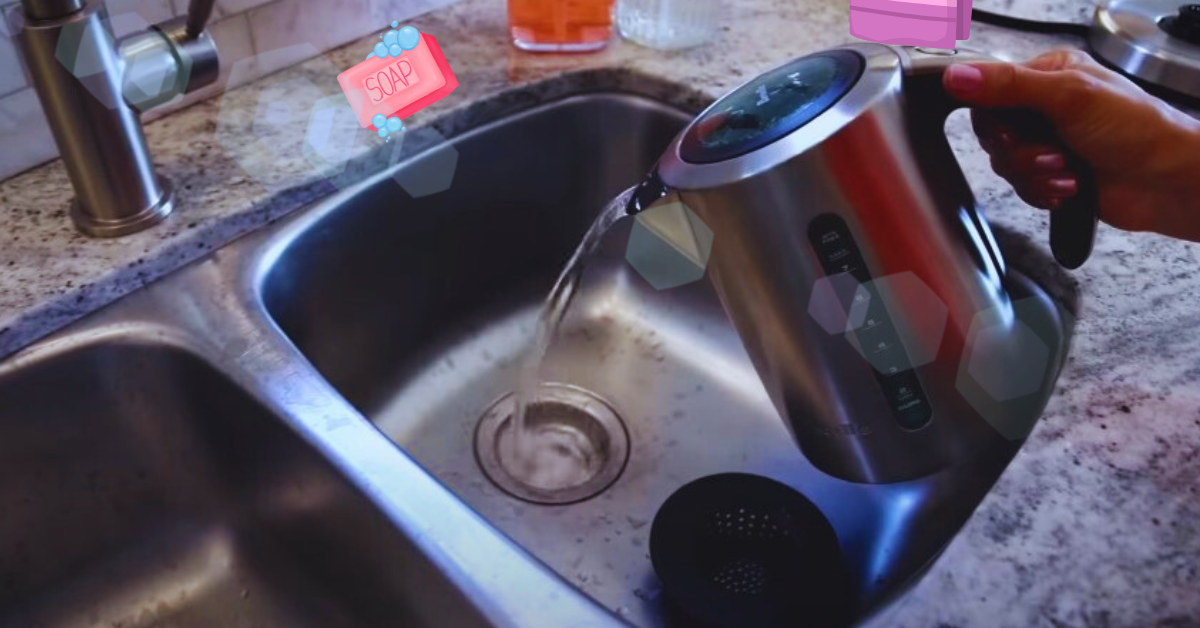
Run hot tap water through the drain for a few minutes. You can add a small amount of dish soap if it is compatible with your plumbing and you follow the product directions.
Use hot tap water rather than automatically pouring boiling water into the drain. Plumbing materials and installation systems differ, so follow your plumbing manufacturer’s guidance.
Step 3: Clean the Garbage Disposal and Splash Guard
If you have a disposal, turn it off and disconnect its power according to the manufacturer’s instructions before cleaning near the opening. Never put your hand inside a garbage disposal.
- Remove and clean the rubber splash guard if your model allows it.
- Scrub the underside with a suitable brush, sponge, and dish soap.
- Rinse the area thoroughly.
- Restore power only after the parts are securely back in place.
Step 4: Refill a Dry P-Trap
If the sink has not been used recently, run water for 30 to 60 seconds. This can refill the P-trap and restore the water barrier that helps block sewer gases.
If the smell quickly returns even after the trap is refilled, the trap may be siphoning, leaking, dirty, or affected by a venting problem. Have the plumbing inspected rather than repeatedly adding cleaners.
Step 5: Clean the P-Trap if Needed
If you are comfortable working under the sink, place a bucket below the P-trap before removing it. Clean the trap with warm, soapy water, inspect it for buildup, and reinstall it carefully so the connections do not leak.
If you are not comfortable removing plumbing parts, or the fittings are corroded or difficult to loosen, call a plumber instead of forcing them.
Step 6: Try Baking Soda and Vinegar Carefully
Baking soda and white vinegar can be used as a simple drain-maintenance option for light residue and odors. It is not a universal cure for sewer-gas, vent, or water-supply problems.
- Pour about 1/2 cup of baking soda into the drain.
- Add about 1 cup of white vinegar.
- Allow the reaction to work for roughly 10 to 15 minutes.
- Flush with hot tap water.
Never mix vinegar with chlorine bleach or other incompatible cleaners. Poison Control warns that vinegar and chlorine bleach can release irritating chlorine gas. Read the Poison Control guidance on vinegar safety.
Should You Pour Bleach Down a Smelly Kitchen Sink?
Bleach is not a good first-line solution for a recurring rotten-egg smell. It may temporarily change an odor, but it does not correct a dry P-trap, blocked vent, damaged pipe, garbage-disposal buildup, or a water-supply problem.
More importantly, never mix bleach with vinegar, ammonia, or other cleaning products. Chemical mixtures can create dangerous fumes. If you use any drain product, read its label and never combine it with another cleaner.
Could a Rotten-Egg Smell Be a Gas Leak?
Yes. Natural gas is intentionally given a distinctive odor that can resemble rotten eggs so people can recognize a possible leak. If the smell is strong, widespread, or seems to come from a gas appliance or gas line rather than the sink, do not assume it is a plumbing problem.
If you suspect a gas leak, leave the home and contact your local gas utility or emergency services from outside. Do not turn lights or electrical equipment on or off while inside. The U.S. Consumer Product Safety Commission gives the same basic guidance for suspected gas leaks. See current CPSC gas-leak safety guidance.
When Should You Call a Plumber?
Call a qualified plumber when cleaning the drain does not solve the problem or when the symptoms suggest a deeper plumbing issue.
- The rotten-egg smell keeps returning after cleaning.
- Several drains smell like sewage or sulfur.
- You hear gurgling from the sink or other drains.
- The sink drains slowly or backs up repeatedly.
- You suspect a blocked plumbing vent.
- The P-trap is leaking, damaged, or difficult to remove.
- You suspect a sewer-line problem.
- The odor is coming from the water and you need help diagnosing the water supply or heater.
How to Prevent the Rotten-Egg Smell From Coming Back
- Scrape food into the trash before washing dishes.
- Do not pour cooking grease or oil down the sink.
- Clean the sink strainer and drain opening regularly.
- If you have a garbage disposal, clean the splash guard and follow the manufacturer’s maintenance instructions.
- Run water periodically in sinks that are rarely used.
- Clean your dishwasher filter according to its manufacturer’s instructions.
- Address slow drainage, gurgling, or recurring sewer odors instead of masking them with fragrance.
My Kitchen Comfy Troubleshooting Perspective
When I troubleshoot a rotten-egg smell around a kitchen sink, I start with the source rather than the strongest cleaner. The glass test is especially useful because it quickly tells you whether you are dealing with a drain problem or an odor that is actually in the water.
If the odor is coming from the drain, I would work through the drain opening, disposal, P-trap, and visible plumbing connections before considering a deeper plumbing problem. If the water itself smells, I would stop treating the drain and investigate the water supply or water heater instead.
For a broader look at kitchen sink odors, see our guide on why the kitchen sink drain smells bad. If the odor appears specifically when water runs, our guide to a kitchen sink that smells bad when water runs can help narrow down the cause.
FAQs
Why does my kitchen sink smell like rotten eggs even though it drains normally?
A drain does not have to be clogged to smell. Food, grease, biofilm, or garbage-disposal residue can create odors while water still flows normally. A dry P-trap or plumbing problem can also allow sewer gas to enter.
Why does my kitchen sink smell like rotten eggs when I run water?
Running water can disturb odor-producing buildup inside the drain or disposal and push the smell into the room. If the odor is actually in the water, the source may instead be the water supply or water heater.
Why does only my hot water smell like rotten eggs?
If cold water smells normal but hot water smells like sulfur, the water heater is a possible source. Water chemistry and the heater’s anode rod can contribute to hydrogen sulfide odor. A qualified plumber or water-heater professional can diagnose the cause.
Can a dry P-trap cause a rotten-egg smell?
Yes. The P-trap normally holds water that helps block sewer gases. If the trap dries out, those gases can travel through the drain opening. Running water can restore the water seal when evaporation is the cause.
Can a garbage disposal make the kitchen sink smell like rotten eggs?
Yes. Food residue can collect inside the disposal and under the rubber splash guard. Clean the splash guard safely and follow the disposal manufacturer’s maintenance instructions.
Is a rotten-egg smell from a kitchen sink dangerous?
A localized drain odor is often a plumbing-maintenance issue, but persistent sewer-gas odors should not be ignored. If the smell is strong throughout the home or you suspect natural gas, leave the area and contact the appropriate utility or emergency service from a safe location.
How can I get rid of a rotten-egg smell in my kitchen sink?
Start by identifying whether the odor comes from the drain or water. For a drain odor, remove visible residue, clean the disposal if present, refill a dry P-trap, and use a gentle baking-soda-and-vinegar treatment if appropriate. If the smell persists, investigate the plumbing or water supply instead of repeatedly adding cleaners.
Final Thoughts
A kitchen sink that smells like rotten eggs usually needs diagnosis before it needs a stronger cleaner. Food and grease buildup, biofilm, a dirty garbage disposal, a dry P-trap, sewer gas, and water-quality issues can all create similar odors.
Start with the glass test, then clean the likely drain source. If the odor keeps returning, affects several fixtures, comes from the water itself, or appears alongside gurgling or slow drainage, move beyond DIY cleaning and have the plumbing or water system checked.

JAKARIA is a seasoned expert in kitchen appliances and cooking techniques. With years of hands-on experience and in-depth knowledge, he has a knack for solving common kitchen appliance issues. He also offers expert guidance to help you achieve culinary success and create amazing meals effortlessly.