
Want to make crushed ice or a thick frozen smoothie but are unsure whether your blender is strong enough? Wattage is one clue, but it is not a pass-or-fail test. The blender’s blade design, jar, motor cooling, and recommended programs matter too.
Quick answer
There is no universal minimum wattage for crushing ice. Some low-watt blenders are not designed for hard ice at all, while purpose-built blenders can handle it efficiently. Check whether your exact model’s manual allows ice, its maximum quantity, and whether it needs liquid. A higher watt rating alone does not prove it can crush ice safely.
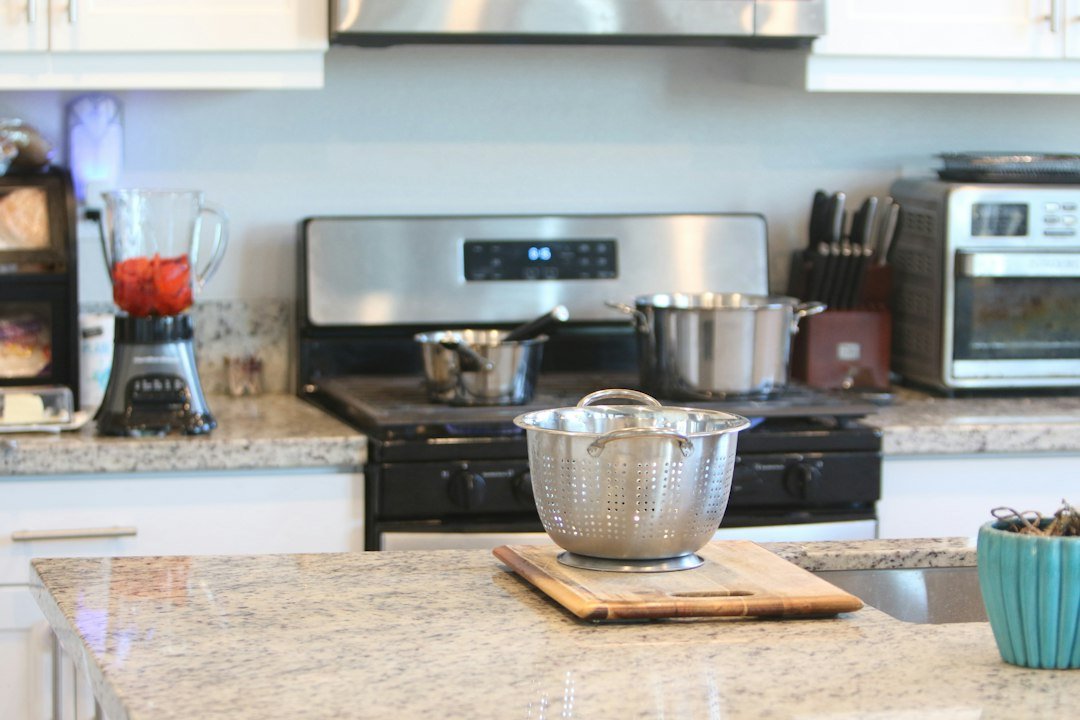
How many watts does a blender need to crush ice?
Manufacturers list electrical wattage, but the number does not directly tell you how well a blender crushes ice. For example, a blender built for frozen drinks may use a specific blade assembly and preset cycle, while a similarly rated general-purpose blender may have different limits.
If you are shopping, compare published ice-crushing instructions and capacities, not only watts. Some stronger full-size models are marketed for crushing ice without water; others specifically require liquid or a particular jar.
Can 300-, 500-, 700-, or 1,000-watt blenders crush ice?
300–500 watts
Do not assume a small personal or basic blender can crush plain ice. Some models can handle small frozen ingredients in drinks, while others prohibit ice. If the manual does not explicitly allow it, use pre-crushed ice or blend softer chilled ingredients instead.
600–900 watts
Some blenders in this range include frozen-drink settings. Others may struggle with large dry ice cubes. Look for a manufacturer-approved ice-crushing mode and capacity; do not use wattage as the sole guide.
1,000 watts and above
Higher power can help with demanding blends, but it still does not guarantee compatibility with every jar, blade, or load size. A high-power blender can still overheat or be damaged when used outside its instructions.
How to crush ice safely in a blender
- Read the manual first. Check whether the model and specific jar permit ice crushing.
- Stay within the fill line. Do not pack the jar with more ice than recommended.
- Use the right amount of liquid. Some models require water or another liquid; others are designed for dry ice crushing.
- Choose the correct mode. Select the manufacturer’s ice or frozen-drink program when one is provided.
- Stop if the mixture is jammed. Switch off the appliance before using an approved tamper or repositioning ingredients according to the manual.
- Let the machine rest if it overheats. Follow its overload-reset instructions rather than forcing a stalled motor.
Why your blender struggles with ice
- Too much ice: large batches can prevent ingredients from circulating.
- Not enough liquid: the blades may spin without creating a vortex, depending on the model.
- Wrong container: personal cups and full-size pitchers may have different loading rules.
- Worn or blocked parts: damaged blades, a worn drive coupling, or an overloaded motor need attention.
- Wrong program: use the maker’s recommended frozen-drink or ice-crushing cycle.
What the manufacturers actually recommend
Vitamix recommends loading liquids first in many of its upright containers, with frozen ingredients toward the top; some smaller inverted cups have the opposite order. Blendtec provides specific dry-ice-crushing quantities for individual jars. These examples show why the model and container matter more than one wattage number.
Protect your blender
Never put utensils or your hand into a running blender. Keep the lid secured, use only the tamper supplied for that jar, and never bypass safety interlocks. If ice crushing is not approved for your model, do not experiment to see whether the motor survives.
What should you look for when buying an ice-crushing blender?
- A clearly stated ice-crushing or frozen-drink capability in the official manual.
- Enough jar capacity for the portions you usually make.
- An ice or frozen-drink program, if you want simple operation.
- Replacement parts and warranty support in your region.
- Realistic cleaning and noise expectations.
Frequently asked questions
Can a 700-watt blender crush ice?
Possibly, if that exact model is designed for it. Check the manual, jar type, and quantity limit before trying.
Is 1,000 watts enough for frozen smoothies?
It may be, but wattage is not a guarantee. Follow the recipe and the blender’s approved frozen-ingredient guidance.
Is crushed ice easier on a blender than whole ice cubes?
It may reduce the work for some models, but not all manufacturers recommend the same ice size. Follow the manual. For example, some Vitamix instructions prefer cubed ice for better circulation.
What if my blender smells hot or stops?
Turn it off, unplug it, and let it cool. Follow the manufacturer’s reset and troubleshooting instructions. Do not continue running a jammed blender.
The bottom line
Instead of asking for one perfect wattage, choose a blender with proven manufacturer-supported ice-crushing features. Use the recommended jar, load, and program to get better frozen drinks without stressing the motor.
Sources and further reading
- Vitamix: Load order and blending tips
- Vitamix: Container, liquid, and ice guidance
- Blendtec: Crushed ice by jar type
- Kitchen Comfy: Storing smoothies overnight

JAKARIA is a seasoned expert in kitchen appliances and cooking techniques. With years of hands-on experience and in-depth knowledge, he has a knack for solving common kitchen appliance issues. He also offers expert guidance to help you achieve culinary success and create amazing meals effortlessly.